
Why CAPIT Reading works
Three ideas shape every lesson.
CAPIT Reading looks different from other reading programs because it was built on three ideas from research on how children learn.
A picture for every letter is cognitive super glue.
The National Reading Panel found evidence that mnemonics help kindergartners learn the relationships between letters and sounds. A visual mnemonic is an efficient and enjoyable way for a child to join the sound of a letter to its shape.
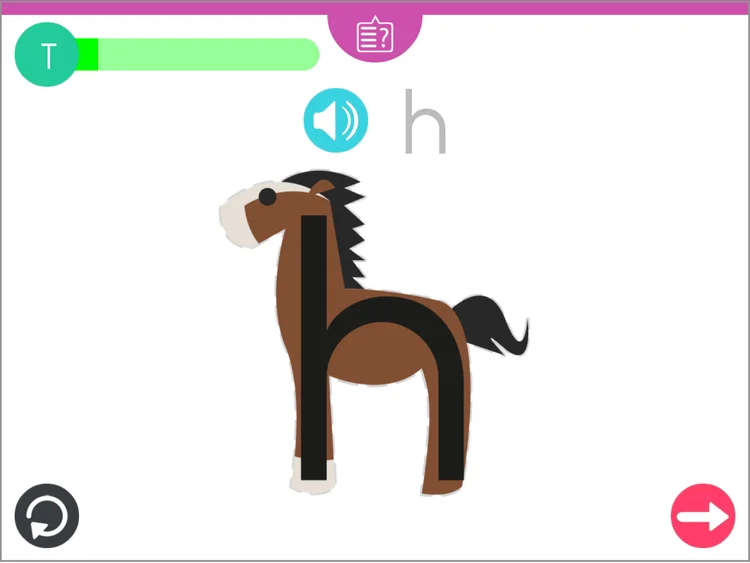
CAPIT Reading has its own picture for every letter of the alphabet. Each picture looks like the letter and begins with its sound, so the letter h is drawn as a horse.
CAPIT Reading is a curriculum, because learning to read is not a game.
We removed the virtual world, the animated characters, and the outside rewards such as virtual coins and badges. Children stay engaged because they are learning, and they can feel it.
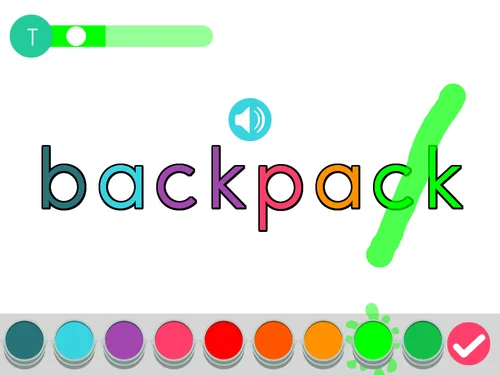
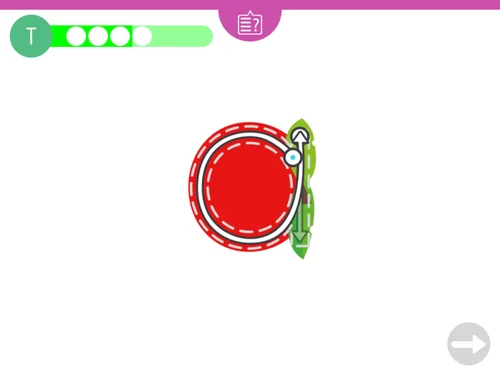
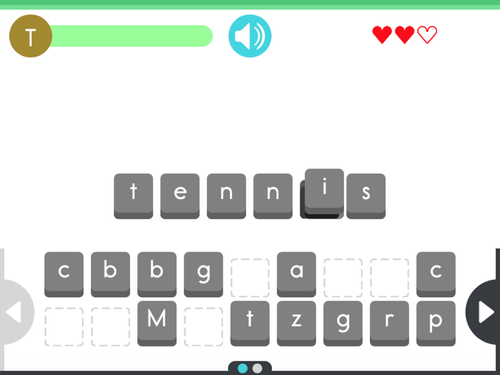
In every part of the program your child reads, writes, spells, and types. We call this 100% learning, 100% of the time.
Less is more.
Cognitive Load Theory explains that a child can attend to only a little new information at one time. Everything on a screen that is not the lesson takes attention away from the lesson.
This theory guided every part of CAPIT Reading. It is the reason the program teaches reading without spoken instructions, and it is the reason your child is learning for the whole lesson.